The Reasons to Choose Assisted Living? Learn About the Critical Benefits and Support Available
Assisted living presents a valuable option for people looking for a supportive environment tailored to their specific circumstances. With individualized care programs and a focus on emotional well-being, residents can prosper in a community that emphasizes their independence. Improved safety measures and access to healthcare resources further contribute to a sense of security. However, the genuine core of assisted living lies in the connections and programs that foster engagement and health. What makes this lifestyle so appealing?
Personalized Support and Support
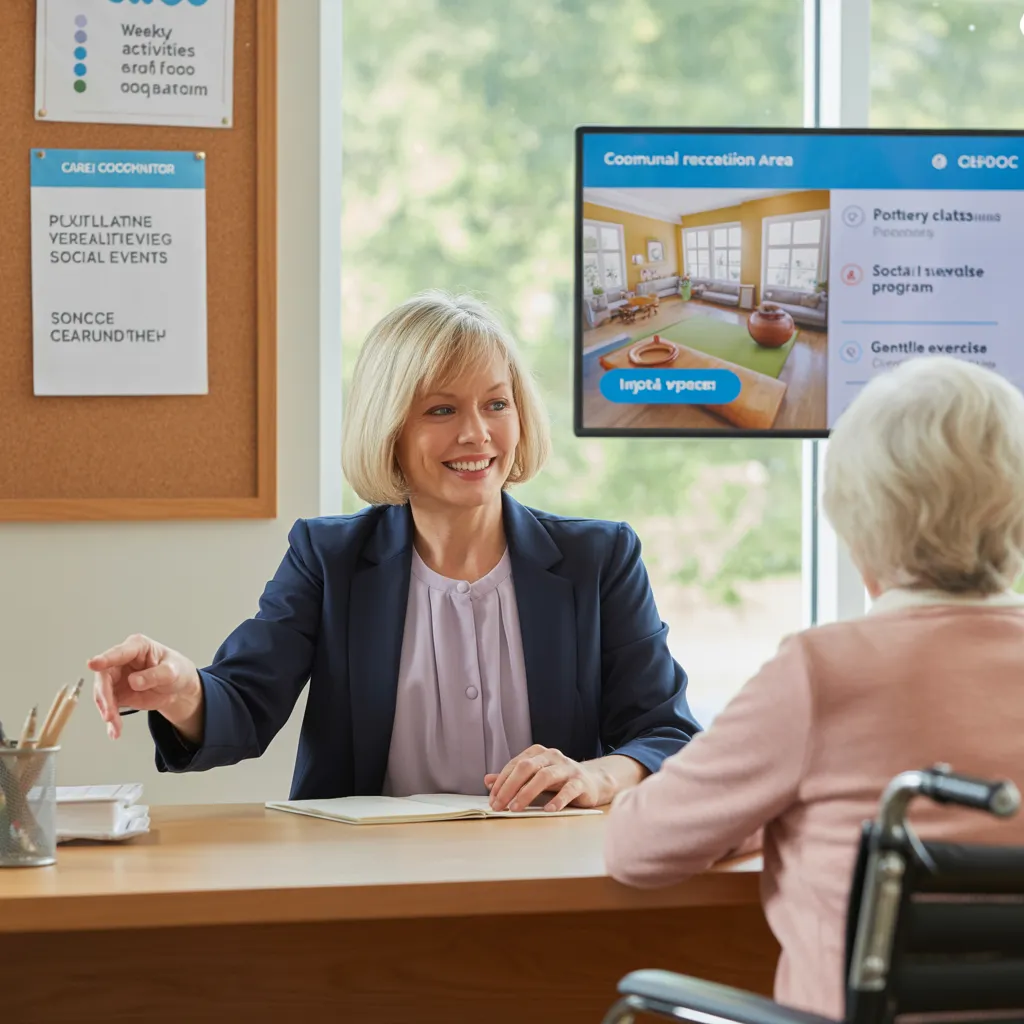
When individuals shift to assisted living, they frequently discover that tailored care and help are vital to their well-being. In these communities, caregivers review each resident's distinct needs, preferences, and health conditions to develop tailored care plans. This personalized approach encourages a sense of dignity and supports independence while making certain that essential assistance is readily available.
Residents are provided support with daily activities such as bathing, dressing, and medication management, allowing them to maintain a higher quality of life. Furthermore, the emotional support offered by staff and community members performs a key part in combating feelings of loneliness and isolation. Social interaction is fostered through group activities and events, continually boosting residents' overall happiness. Finally, personalized care and support in assisted living not merely address physical needs but also foster emotional well-being, adding favorably to the residents' overall health and satisfaction.
Improved Safety and Security
Assisted living communities place a high priority on resident safety and security. With 24/7 emergency assistance, secure living environments, and regular safety checkups, such communities deliver comfort and confidence to residents and family members. Such precautions are fundamental in guaranteeing a safe and encouraging atmosphere as people grow older.
24-Hour Urgent Help
Emergency help in assisted living facilities enhances safety measures for residents, offering peace of mind for both residents and their families. These facilities are equipped with trained team members available twenty-four seven to handle emergencies, securing immediate care when needed. Residents benefit from regular safety drills and health assessments, which equip them for potential crises. Emergency response systems, including alarms and monitoring devices, are incorporated into the living environment, facilitating swift action in case of falls or medical problems. In addition, staff members are trained in first aid and CPR, further guaranteeing that residents receive quick assistance. This comprehensive support structure creates a secure environment, allowing residents to live with assurance and autonomy while knowing support is always available.
Protected Living Environments
Safe living environments in assisted living facilities significantly enhance the well-being of residents. These environments are designed with safety in mind, incorporating features such as secure entrances, surveillance systems, and emergency response systems. This infrastructure not only deters unauthorized access but also confirms that residents feel protected at all times. Staff members are trained to respond promptly to any potential safety concerns, fostering a reassuring atmosphere. Additionally, the layout of these facilities often minimizes hazards, such as slippery floors and poorly lit areas, further enhancing resident safety. By focusing on security, assisted living facilities provide a caring environment that allows residents to maintain their independence while knowing help is readily available when needed.
Routine Safety Inspections
Regular safety assessments fulfill an important role in sustaining a secure environment within assisted living facilities. These periodic reviews confirm that safety protocols are consistently upheld, addressing potential hazards before they become serious issues. Trained staff conduct thorough inspections of common areas, emergency exits, and individual living spaces, focusing on fire safety, proper lighting, and accessibility features. Furthermore, safety checkups often include the examination of medical alert systems and emergency response plans, providing peace of mind for both residents and their families. By prioritizing regular assessments, assisted living facilities demonstrate their devotion to resident safety, fostering a supportive atmosphere where individuals can thrive with confidence and security. This proactive approach considerably elevates overall well-being and quality of life for residents.
Opportunities for Social Engagement
Assisted living facilities provide a selection of group activities and events that foster social interaction among residents. These experiences not only foster a sense of belonging but also facilitate the formation of new friendships. Participating in shared interests helps alleviate feelings of loneliness and enhances overall well-being.
Group Activities and Events
Although countless older adults could feel alone in their senior years, group activities and events within assisted living communities offer vital opportunities for social engagement. These organized gatherings, spanning from arts and crafts to exercise classes and game nights, nurture a sense of belonging among residents. Engaging in these events stimulates interaction, collaboration, and shared experiences, which can significantly enhance emotional well-being. Furthermore, these events often address diverse interests, ensuring that every resident can discover something appealing. Routinely organized outings and themed celebrations further enrich community life, providing a vibrant atmosphere that fights loneliness. In conclusion, community activities and celebrations are essential components of assisted living, encouraging not only social connections but also a more fulfilling lifestyle for residents.
Making New Friends
Creating new friendships in assisted living communities can greatly enhance residents' quality of life, as social connections foster overall well-being. These communities create opportunities for social engagement through planned events, group activities, and communal spaces that encourage interaction. Residents often discover common interests, leading to meaningful relationships that combat feelings of loneliness and isolation. Participation in games, arts and crafts, and outings can also encourage bonding, allowing individuals to share experiences and create lasting memories. Moreover, friendships formed in these settings provide emotional support and enhance mental health, encouraging a sense of belonging. Ultimately, creating new friendships in assisted living not only enriches daily life but also promotes a thriving and supportive community atmosphere.
Entry to Health and Wellness Offerings
Entry to health and wellness services is a vital benefit of assisted living, as it makes certain that residents receive the required medical care and support adapted to their individual needs. Assisted living facilities typically employ trained healthcare professionals who can monitor residents' health conditions and provide timely interventions. This proactive approach assures that any medical issues are addressed promptly, lowering the risk of complications.
Moreover, numerous facilities grant access to a range of wellness programs, including physical therapy, nutrition counseling, and fitness classes designed to improve residents' overall well-being. These services are commonly designed to promote independence while maintaining safety and support.
Furthermore, well-organized care guarantees that medication management and regular health evaluations are executed, cultivating a thorough understanding of each resident's health history. This unified model of care enables residents to maintain their health and quality of life, making assisted living an compelling choice for people seeking both community and care.
Maintenance-Free Living
One of the key benefits is maintenance-free living of assisted living, as it alleviates the burdens of home maintenance and upkeep. Residents no longer need to worry about routine chores such as lawn care, snow removal, or repairs, letting them enjoy more enjoyable activities. This freedom from maintenance responsibilities enhances their quality of life, delivering peace of mind and reducing stress.
Within assisted living facilities, qualified personnel handle all maintenance tasks, making certain that the environment is safe and well-kept. This involves scheduled inspections and prompt management of any concerns that may arise, such as plumbing or electrical matters. Moreover, common areas are maintained to high standards, cultivating a warm atmosphere for residents and their guests.
Ultimately, maintenance-free living allows seniors to enjoy their independence while dwelling in a nurturing environment, making assisted living an desirable option for those seeking a worry-free lifestyle.
Healthy Meal Choices and Dining Services
While many seniors face challenges in preparing healthy meals on their own, assisted living communities provide a solution through nutritious meals and diverse dining options. These communities generally employ professional chefs and nutritionists who create menus that accommodate the dietary needs and preferences of residents. Meals are often prepared with fresh, locally sourced ingredients, guaranteeing that seniors receive balanced nutrition.
Dining arrangements in assisted living communities range, letting residents to have act now meals in shared dining areas or private spaces. This flexibility fosters a sense of community while also catering to individual preferences. Furthermore, many communities offer specialized dietary arrangements, such as low-sodium, vegetarian, or diabetic-friendly meals, enhancing overall health and well-being.
Comfort and Security for Families
The comfort derived from knowing a loved one is in a safe and supportive environment substantially eases the concerns of families with aging relatives. Assisted living facilities deliver 24/7 supervision, guaranteeing that residents receive immediate assistance when needed, which supports families in feeling at ease about their loved ones' well-being.
Furthermore, these communities often promote social interaction among residents, reducing feelings of loneliness and isolation. Families can take comfort in knowing their loved ones are engaged in activities that promote emotional and mental health.
Moreover, assisted living staff are educated to handle numerous medical needs, ensuring peace of mind that professional care is readily available. This level of care empowers families to dedicate themselves to spending quality time with their loved ones rather than worrying about routine challenges. Ultimately, assisted living not only elevates the quality of life for seniors but also strengthens family bonds by easing stress and concern.
Questions & Answers
How Do I Choose the Right Assisted Living Residence?
Picking the right assisted living facility entails evaluating individual needs, visiting potential locations, reviewing staff qualifications, examining amenities, examining resident feedback, and considering proximity to family and friends for a supportive community environment.
What Is the Typical Cost of Assisted Living Services?
The typical cost of assisted living services can vary substantially, generally ranging from $2,500 to $5,000 per month. Elements influencing costs include area, facility amenities, and the level of personal care required by residents.
Can Residents Personalize Their Living Space?
Individuals in assisted living communities may customize their personal areas by bringing cherished items, such as furniture and decorations, to create a homey setting that reflects their distinctive preferences and individual style, strengthening their sense of home.
What Happens if a Resident's Needs Change?
If a resident's needs change, assisted living facilities typically offer expanded support and services. This flexibility permits personalized care adjustments, making sure residents are given the right assistance while sustaining their independence and comfort in the facility.
Are Pets Permitted in Senior Living Communities?
A number of assisted living communities permit pets, understanding their value to residents' emotional health. Rules vary by facility, so it's important for future residents to inquire about specific pet rules and any applicable fees or requirements.